Unknown's avatar

Coconut Water is Not a Real Snack

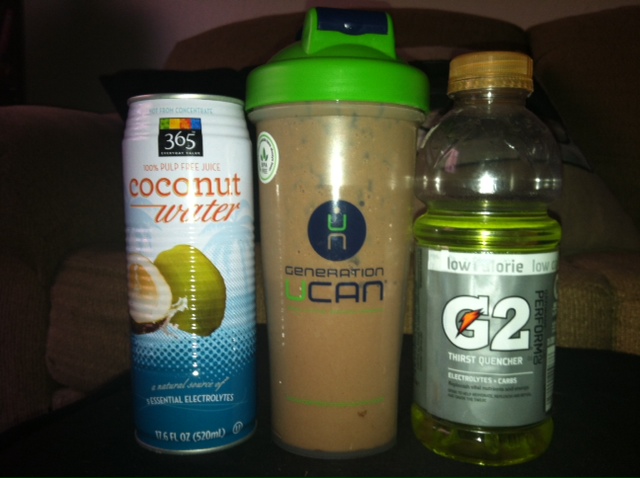
 I recently read a line in a famous fashion magazine from a certain waif-like starlet who claimed “I love to snack”. As a professional in the eating disorder field, this was so refreshing to hear! Except that she followed this comment by saying that she “is constantly reaching for coconut water and fruit”. * Sigh* Seriously? Coconut water and fruit?! That’s not a real snack!

It’s not that I have anything against coconut water. I actually find it a quite refreshing way to rehydrate after some of my longer runs. And obviously fruit has health benefits. It’s the message the statement sends that concerns me. I worry that women and girls who struggle with their body image will think that if they just have coconut water and fruit all day they will look like her, when in reality they will miss out on the real nutrition their bodies need, and potentially set themselves up for problems with disordered eating.

A small (11 oz) container of coconut juice has about 60 calories in it, roughly the same as a small piece of fruit. That’s not nearly as much as the average person needs for a snack and it’s certainly not going to keep anyone satisfied until the next meal or snack. No wonder she is “constantly” reaching for that snack! I for one would be hungry again in less than 5 minutes if that’s all I ate. Even for those trying to lose weight healthfully I wouldn’t recommend a 60 calorie snack. That being said, I am a fan of having snacks in between meals, but it’s important to snack effectively.

Here is what I recommend for snacks:

• Space meals and snacks out as evenly as possible throughout the day, typically every 2-4 hours. Don’t wait until you are starving for your next meal or snack, but don’t feel you have to eat a snack 2 hours after a meal if you are still full. Listen to your hunger and fullness cues.

• Be sure to include a source of protein at all snacks. This will help keep blood sugars and energy levels steady until your next meal or snack. It will also help ensure that you meet your protein needs for the day.

• Try to include fruits and veggies whenever possible. It’s not easy to get the recommended 5-9 servings of fruits and vegetables in every day so if you rely solely on meals, you’re not gonna hit the quota. Try carrots or other cut up veggies with hummus, an apple or banana with peanut or almond butter, greek yogurt with fruit, or blend a smoothie with the milk of your choice (dairy, soy, almond), some frozen berries and a handful of spinach or kale. Add protein powder to make it a little more satisfying. Oh, and by the way, you are never too old for “ants on a log”- celery sticks with peanut butter and raisins.

• Plan ahead. If know you’ll be on the go, throw a protein bar or a bag of mixed nuts into your purse or bag so that you don’t have to rely of fast food or a vending machine.

Happy (and healthy) Snacking!

Unknown's avatar

Holiday Eating

The holidays can be a stressful time, especially for those trying to lose weight and for those struggling with an eating disorder. Food and alcohol abounds and social engagements are almost constant, making it hard to stick to a meal plan or workout routine. The holidays can be a joyous time, however, with proper planning and perspective.


Here are my tips for successful holiday eating:

• Don’t skip meals to stockpile calories for later. This strategy almost always backfires as you will likely get so hungry that you end up eating more than planned. Eat regular meals as scheduled and have a small healthy snack before the event so that you don’t arrive ravenous.

• Scan the buffet. Check out the options and prioritize what you really want to try as opposed to going through the line and taking some of everything.

• Water frequently, especially if you are drinking. Try to have 1 glass of water for every alcoholic beverage you drink. Even if not imbibing, keeping a glass of water in your hand can prevent mindless munching.

• Enlist a buddy with similar goals. If you struggle with an eating disorder and may be tempted not to eat, bring a supportive friend who will help you stay on track. If you’re trying to lose weight and might be tempted to overeat, an understanding friend can help keep you in check.

• Have a game plan. As with regular meal planning, having a plan is important with holiday eating. The plan can be general if you’re not sure what foods will be available (i.e. “I’ll leave space for one dessert”) or specific if you do know (i.e. “I’ll indulge in one piece of chocolate cake”).

• Set boundaries. Don’t feel that you have to attend every engagement you are invited to. Know when to say no. Also plan to set boundaries if you know you may encounter pushy coworkers or family members. Some people won’t know how to react if you say you are watching your weight or struggling with an eating disorder, so only say as much as you feel comfortable with. Sometimes people will react better if you emphasize health and not diets or weight. Practice setting your boundaries if you need to so you are not peer pressured when put on the spot.

• As always, moderation is key. Don’t deny yourself the treats you really want as this often backfires and makes you want it more (and eat more of it when you finally do give in). Enjoy the foods you really want, but do so in moderation.

• Change your attitude. Sure, it seems like the holidays are about food, but really they should be about giving thanks and celebrating relationships. Shift your focus from the food and drinks to the family and friends. Sometimes just changing your attitude is helpful with meeting your nutrition goals!

• Most importantly, if you do overeat, don’t stress. Shaming yourself will only make you feel worse and may lead to emotional or stress eating. Remember, one meal will not make or break you or your health. Do your best to get back on track and don’t beat yourself up over it.

Happy Holidays!
Unknown's avatar

The Goodness of Green Tea

I’ve been drinking a lot of green tea lately on account of fighting off a cold. Why do I do this every time? I’m not really sure! Does it really help or is it the placebo effect (and does that matter)? I know fluids are important when sick, and green tea can help with that, but mostly you hear about green tea as it relates to weight loss and cancer. So what’s the truth?

Legend has it that tea was discovered when some leaves blew in through an open window and landed in a pot of boiling water, or something like that. I’m not sure if the story is true, but I’m glad tea was discovered.  It’s a comforting beverage on a cold day and a refreshing one on a hot day, and it’s generally regarded as good for you. Here’s the scoop:

Health benefits– Green tea contains epigallocatechin gallate (or EGCG) which is an antioxidant. It is thought to help prevent the spread of cancerous cells and possibly the development of cancer. Some studies have also found a link between green tea consumption and decreased risk of heart disease. There are some promising studies out there, and some not so promising, so it’s too soon to say for sure, but so far the results do look good.

Fat burning– Green tea gets a lot of publicity for its implications in speeding up the metabolism and potentially promoting weight loss. While studies have found a spike in metabolism after consumption, it is probably not enough for any significant weight loss. On average, drinking 3-4 cups of green tea was found to increase calorie burning by 80-179kcal/day. Although this could help augment a weight loss program, alone it’s not enough to result in any significant weight loss.  Also, if you’re adding sugar to the tea you’re pretty much negating the extra calories burned anyway.

Supplements-There are some green tea supplements out there, mostly marketed for weight loss. As always, it’s better to eat real food (and drink real drinks) than to take a supplement as there are complex interactions in whole foods that cannot be duplicated in supplements. Also, they could be dangerous. Most green tea supplements contain a fair amount of caffeine which may cause jitteriness and there have been cases of liver toxicity with green tea extract supplements. It’s also unlikely that a green tea supplement will do much for weight loss.

Bottom line-Green tea is generally regarded as safe and may provide health benefits so it’s worth incorporating into your diet (assuming you like it). Studies generally find that you need to drink 3-4 cups a day to reap the health benefits. Be careful about adding too much sugar to it since excess sugar comes with its own health concerns. Don’t expect the pounds to melt off though. Stick to healthy eating and exercise if you are trying to lose weight and think of green tea as a bonus, not a solution.

Unknown's avatar

Sugar and Elf (and you)

“We elves try to stick to the four main food groups: candy, candy canes, candy corns, and syrup!”

I’m not ashamed to admit that I am borderline obsessed with the movie Elf. That particular quote is one of my favorites, although as a dietitian I have to question the nutritional balance of a diet like that! Sugar is a popular nutrition topic these days, and it is generally all bad publicity. Want to know my opinion on it? It’s all about moderation.

I’ve probably used the words “moderation” and “balance” a thousand times in my nutrition consulting sessions and on this blog, and that’s because I truly believe they are the key to a healthy and well-rounded diet (and life). I don’t believe that sugar in of itself is bad. One of the first rules of working with eating disorders is not to place judgment on foods or to label them as good or bad, because in essence, they aren’t. There are just different foods that serve different purposes. I like to point out that even water, which is typically considered “good” or “healthy” can be deadly if drank in excess.

That being said, most Americans aren’t so great with the moderation piece when it comes to sugar. Sugar, in various forms, is added to a lot of food products, and some you might even not expect- peanut butter, breads, cereals (not just the little kid kinds) and salad dressings just to name a few. So it’s easy to over-do it. Excess sugar can definitely be a health problem, especially if done in excess over a long period of time and particularly for those with health concerns such as diabetes, heart disease, high blood pressure, and metabolic syndrome.

The American Heart Association has put out guidelines for sugar intake: women should consume no more than 100 calories (6 tsp or 25 grams) of added sugar daily and men should consume no more than 150 calories (9 tsp or 37.4 grams). Those numbers are just for added sugars, so they don’t include naturally occurring sugars such as those found in fruit and dairy products, but that still isn’t a whole lot. If you put 2 tablespoons of sugar in your morning coffee you’ve already met that number (if you’re a woman). Reportedly the average American consumes closer to 355 calories (22 tsp or 90 grams) from added sugars every day. Okay, so that’s quite a bit more than recommended, but honestly I think these guidelines are ridiculously difficult for the average American to follow, so don’t feel bad if your sugar intake is above those numbers, I know mine is. After all, what’s life without a little sweetness? That being said, if you have health issues such as those mentioned above you should definitely be careful about your sugar intake. If you are generally healthy, however, while it would still be wise to eat high sugar foods such as soda (which packs 40 grams of sugar per can on average) and candy in moderation, it would also be important not to be overly restrictive with your eating habits. This can set you up for problems with disordered eating and frankly makes life less enjoyable. Enjoyment is one of the purposes of food after all! Instead of dwelling on grams of sugar, focus on broader nutrition goals such as increasing fruit and veggie intake or making sure you get enough lean proteins and healthy fats.

I would also like to point out that besides the enjoyment factor, there are other times when sugar can be appropriate, such as immediately before, during, and after endurance exercise when sugar is necessary for fuel.  So sugar doesn’t totally deserve the bad rap.

Me, I just ate a piece of chocolate as I was writing part of this blog. I might have 2 or 3, but I won’t eat the whole bag, and that’s what enjoying food in moderation is about!

Unknown's avatar

A New Year, New Resolutions

 I’m not a fan of New Year’s resolutions. I’ve always thought that if you want to change something you should do it now and not wait until the start of a new year, so I don’t usually set resolutions. Sure, there are those that want a “fresh start” and so the first of the year makes sense to embark on a goal, but statistically speaking most New Year’s resolutions fail within the first half of the year. Another potential problem I’ve noticed is that sometimes when we set a start date for a goal we give ourselves permission to do exactly the opposite until then, such as eating or drinking as much as we can before giving up alcohol or starting a diet.

I recently read a statistic that by the end of January over a third of resolutions have been given up on. Anyone who goes to a gym can witness this trend. The gyms are packed in January to the point that it’s nearly impossible to find a machine, but by March they’ve generally returned to normal levels.

I’m not totally pessimistic about resolutions though. A majority of resolutions involve health in one way or another which I am all for, and setting goals can be a good way to stay on track and change one’s life for the better, just make sure to be SMART when setting your resolution!

SMART goals are often used in the business world, but they can work for health and fitness related goals as well. You’ll see some variations, but SMART generally stands for specific, measurable, attainable (or achievable), relevant, and time sensitive (or timely).

Specific– A specific goal is easier to stick with than a general one, so instead of saying “I will lose weight” or “I will work out more” make it specific, such as “I will work out 4 days per week in order to improve my body composition”.

Measurable– You’ll need a way to know if you are meeting your goal, so make sure it’s measurable. For the above goal you could say, “I will do 30 minutes of cardio at the gym 4 days a week”. You could also use body composition measurements as an indicator of staying on track.

Attainable– They say reach for the stars, but if you set your goals too high you’ll likely get discouraged and give up. I recommend setting mini goals that feel manageable and work you towards the greater goal. For instance, what’s the goal for this week? This month? Don’t focus too far into the future and don’t set unrealistic goals (like losing 20 pounds in a week or running your first marathon next month when you’ve never ran more than a mile in your life).

Relevant– You gotta want it to stick with it so don’t set a goal you don’t really care about. If it is not really relevant to your life or worth the effort to you, you’ll likely get bored with it quickly. So make sure it’s a goal you really care about.

Time Sensitive– Put an end date on it. Having a deadline can be motivating (as long as it’s realistic and attainable!).

Good luck and Happy New Year!

Unknown's avatar

Exercise and Eating Disorders

 It’s not always easy being an eating disorder professional and an athlete.  As I started thinking about writing a blog about my half marathon training (coming soon!) I had the thought that it’s a bummer I have to keep that part of myself somewhat hidden at work. The patients I work with are very sick and compulsive exercise is a common struggle for them, so personal exercise talk is pretty taboo, and understandably so.  When my patients ask what I do on the weekends I tend to play things down.  I say I went for a short hike when in reality I climbed a 14er.  A training run becomes a walk in the park.  A bike ride up Vail Pass a casual cruiser ride.  It’s not that I like lying, it’s pretty awkward actually, but it doesn’t seem appropriate to delve into my athletic adventures.  Exercise and eating disorders is a complicated subject.  While I fully believe my exercise is healthy, I understand how it would be difficult for patients to understand. But I do it because I love it, not because I am trying to change my body or because I feel like I have to.  I live for the adventure. I fuel myself properly before, during, and after my activities. Heck, the sports nutrition is sometimes the most fun part for me!  And I don’t stress too much if I miss a workout or if it doesn’t go as planned.

 
Why is exercise such a tricky topic with eating disorders?  I think it’s because it’s a healthy thing taken too far.  Sure exercise has health benefits, and it can be a great stress relief, but when it’s compulsive it can actually be detrimental to your physical and mental health.  And when it gets to that point it’s hard to cut back, so sometimes total abstinence is the way to recovery.  There is actually research about running and eating disorders that basically says it’s nearly impossible to recover from an eating disorder if you refuse to stop logging miles.  This all seems quite contrary to what we hear in the media about how most Americans don’t get enough exercise and this lack of activity is causing health problems.  I always have to reality check my eating disorder patients-are you more likely to suffer health problems from lack of exercise or the eating disorder?  I guarantee it’s the eating disorder.
So how do you know if your exercise is a problem?  Ask these questions:
– Is my day ruined if I don’t get in a workout?
– Am I working out because I feel guilty about food I’ve eaten?
– Am I eating enough to fuel my workouts?
– Am I avoiding spending time with friends and family in order to exercise?
– Is my workout routine interfering with my work, school, or other obligations?
A “yes” (or 4) doesn’t mean you have an eating disorder but it might be an indicator that you should further evaluate your exercise habits.  Remember, exercise should be enjoyable! If you’re forcing yourself to run on the treadmill but you hate it, not only are you creating an unhealthy attitude around exercise, but you’re probably not going to stick with it long enough to reap any health benefits.  Remember- balance and moderation are key.  Exercise is great if you are doing it for the right reasons and properly fueling yourself, but it’s also okay to cancel a workout in order to grab dinner with a friend, or because you are tired, sick, or injured. Be kind to your body.

Below is a link to a blog I was quoted in awhile ago about one woman’s recovery from an eating disorder and the role exercise played.  She has some good insight and is doing well with her recovery, but keep in mind this was just one woman’s journey.

http://blisstree.com/look/eating-disorder-recovery-exercise-personal-trainer-227/

Unknown's avatar

Lessons Learned from my Half Marathon Training

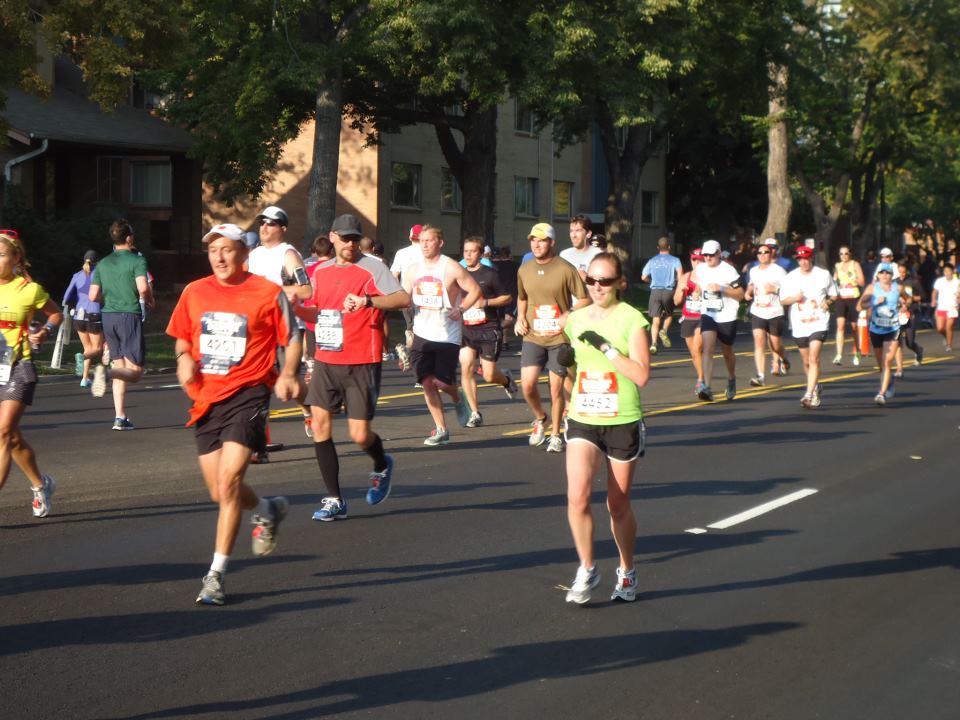
I knew when I signed up for a half marathon in January that training during the winter in Denver would be difficult. Cold weather, possible snow, darker days…I didn’t even factor in the holidays. Whoopsy! Perhaps the hardest lesson for me to learn was that training in the morning before work is super beneficial this time of year (and probably year round, I wouldn’t really know). Getting up early is painful for me, even when it’s not dark and cold outside, but I found that evening workouts are much more prone to cancellations- work happy hours, having to stay late at work, holiday engagements, feeling too tired/hungry/unmotivated at the end of the day all tend to get in the way. Plus, I tended to feel better at work on days that I got up early to work out. Another thing I learned is that if you dress appropriately you can run in some pretty cold temps. So no more excuses for cancelling runs when it gets nippy outside (but be realistic, running in sub zero temps is not recommended).

To come up with a list of top training tips I consulted with the best runner I know (who just so happens to be my sister), Kim Dobson (see: Pikes Peak Ascent Female record holder http://www.pikespeakmarathon.org/results.htm) to get her advice on how to have a successful half. The tips mostly apply for other distances as well. Here are our recommendations.

Training Tips:

• Make or use an appropriate training plan to guide your training. Even if you are pretty knowledgeable about what your training should look like it will help you stay on track if you have it pre-planned and written down. If you are a novice a 12 week training program should be sufficient to get you to the finish line, assuming some base cardiovascular fitness.

• In that training schedule include a weekly long run and a tempo run. Remember to build slowly towards the long run depending on what your base fitness is. If you are a newbie, your “long run” might be 5 miles. Tempo runs should be pleasantly challenging, typically just shy of race pace. Use tempo runs to visualize yourself in your upcoming race, fighting through the pain and fatigue.

• Reduce your weekly mileage every 3-4 weeks for one week to allow your body to recover and adapt from training. Think of these as “easy weeks” not off weeks.

• If something hurts while you run, take a day or two off. You might be able to do some low impact cross training like the elliptical or even yoga and core work instead. Listen to your body. Runners tend to have a hard time resting, but think of it this way-it’s either a little rest now or a lot of rest later when you really injure yourself.

• Run a 10K in the middle of your training block for motivation and to see where your running fitness is at. It will also help you adjust to race atmosphere.

• Be a part of your local running community- attend run clubs, run with friends, use social media (Facebook, Strava), read running magazines etc. This will help you stay motivated and make it fun!

• Practice your nutrition strategies during training runs. Experiment with different products until you find the ones that work best for you. For a half marathon distance you will likely need some sort of carbohydrate supplement during your race.

• Invest in the proper recovery tools-I’m talking foam rollers (I recommend Trigger Point), ice packs etc. Make sure to stretch after all runs.

• Taper. Your longest training run should be about 2 weeks before the actual race. You can focus somewhat on shorter, faster runs during this time but the actual week before the race should be pretty low mileage and intensity.

• Consider carb loading. This one could be a blog topic in of itself! Half marathons are kind of on the border of necessitating carb loading, depending on how long you think the race will take you. It could be helpful to focus on a higher carb intake for the 2-3 days before the race. Don’t rely on a giant pasta dinner the night before, it will likely just give you a stomach ache and wont’ really help your performance. Stick with carbs that are familiar to your body.

Race Day Tips:

• Arrive at the race with plenty of time to get ready-warm up, stretch, use the restroom, and get to the start line. (We recommend one hour before the start).

• Also make sure to get up early enough to get in a proper breakfast and digest it. This means you may have to get up pretty early; typically you need about 2 hours pre-race to digest the meal. Some athletes will even get up, eat, then go back to sleep for a bit. Make sure it’s a familiar breakfast; this isn’t the time to try that new breakfast burrito you heard about! It should contain mostly carbohydrate with some protein/fat. My go to is whole wheat toast with peanut butter and honey.

• If it is cool outside, wear warm clothes and stay warm until as close to the race as possible. Be careful not to overdress for the actual race though as over-heating can slow you down. Consider gloves. Cold hands are no fun, and they can also serve as a place to stash your energy gels.

• Wear familiar socks and shoes (ones that you have completed long training runs in).

• Think of the first mile as a warm up and ease into the race. It’s better to start conservative and speed up as you go then to start out too fast and have to slow down…or stop.

• Break the race into thirds or fourths (so 3 or 4 mile increments for a half marathon). At the end of a section, have a general idea of what time you should be at and give yourself a pep talk. Try to push a little harder at the start of a new section.

• Use water stations as “breaks”. This doesn’t mean you stop, it means you slow down just a bit to give your body a brief rest and to properly hydrate. Speed up as you leave the water station.

• Race by feel rather than by the watch. It’s okay to look at your watch a few times during the race, but don’t look at it each mile or half mile, and don’t let the numbers psych you out, especially if you’re racing faster than you thought (that’s good!)

• Focus on passing people the second half of the race. Pick a person ahead of you and slowly work to catch up and pass them.

• Expect that the race is going to hurt, and be ready to stay mentally tough when your body tells you to slow down. One of Kim’s favorite running quotes, by Dr. Stan Beecham (via Greg McMillan in a Running Times magazine), is “You ain’t gonna get out of the race pain-free so you gotta pick the pain — the pain of the race or the pain of regret.” Our bodies are capable of so much more than we know, if we are willing to push ourselves.

• If you find yourself struggling utilize the power of positive thinking. Get a mantra in your head such as “I feel fast, my legs feel strong”. It doesn’t have to be long or complicated to help.

• Don’t underestimate the importance of post-race recovery nutrition. This too could be it’s own blog topic (and maybe it will!) Basically you need mostly carbs with some protein as well; ideally within 30 minutes of finishing your race.

Unknown's avatar

Coffee: Is it Good or Bad for Your Health and Sports Performance (or Just Delicious)?

Ever wonder if your daily cuppa joe is helping or harming you?  Heard that caffeine (such as that in coffee) can improve your sports performance?  Like so many foods and drinks, coffee gets a fair amount of press for its implications in our health.  Most of the press is positive, but some is negative too.  Since it’s such a commonly consumed beverage, and I myself enjoy a cup almost every morning, I decided to do a bit of sleuthing into the topic.  Here’s what I found out.coffee
Good News:
  • Regular coffee consumption may lower your risk of developing: type 2 diabetes (via reducing insulin resistance), gout, Parkinson’s disease, gallstones, liver cancer, dementia and Alzheimer’s disease
  • Coffee contains antioxidants which have health benefits and may in part explain the lower risk of some cancers (although this link is not clear).
  • Despite what Cher in the movie “Clueless” would have you believe, there is no truth to the rumor that coffee stunts your growth.
A caution, however, that the amount of coffee used in the studies varied and at least one study used 4-6 cups of regular coffee a day which is more than the average coffee drinker consumes and enough to cause side effects in some people.  The use of decaf vs regular coffee also varied. Decaf coffee was only found to be helpful with some of these conditions.
Bad News:
  • Too much caffeinated coffee can cause jitteriness, rapid heart rate, dizziness, anxiety, and nausea (all temporary).
  • Some studies have found an increased risk of pancreatic cancer and heart disease among coffee drinkers, although more recent studies have not.  However, some people cannot metabolize caffeine as well as others and these people are at an increased risk of heart issues.
  • Caffeine can temporarily raise blood pressure.  If your blood pressure is normal drinking coffee daily shouldn’t affect your blood pressure long term, but be aware of how much you are consuming if you have hypertension or pre-hypertension.
  • Large doses may not be good for pregnant women.  It is safe to consume 200mg/day or less, about the amount in 12 oz of drip coffee.
Sports Performance:
Athletes have long known about the ergogenic effects of caffeine.  That’s why you’ll find it added to many sports gels and drinks these days.  The main benefit is that caffeine helps enhance fat burning and since fat is the main fuel used during endurance exercise consuming caffeine can help you better utilize this fuel, resulting in the ability to work out longer and harder.  Caffeine also stimulates the brain, improving alertness and reaction time, delaying fatigue, and even providing a slight analgesic (pain relieving) effect.  Although once believed to be a diuretic, in moderation caffeine should not contribute to enough fluid losses to affect performance.
If you want to try using caffeine for sports performance, try using 3-6 mg of caffeine per kg body weight since that is the range studies found to be beneficial.  Some of these studies used a bolus dose of caffeine before the exercise, others used it spaced out during the exercise, so experiment with what works best for you.  For a 150lb athlete 3-6 mg/kg body weight would be 204-409 mg of caffeine, which is about the amount in 2-3 (6 oz) cups of home brewed coffee.  Note that this is a lot more than the amount found in most gels, which typically range from 25-100 mg per gel.
It’s important to point out that this performance enhancement applies only to endurance exercise.  Caffeine does not seem to benefit strength or speed sports as much.
Bottom Line:
Take these findings with a grain of salt (no, not literally!).  These studies cannot prove cause and effect but only an association. It could be that some other commonality among coffee drinkers results in the lower risk of these diseases.  However, it does appear that the news is mostly good, so don’t feel guilty about enjoying your coffee.  Just make sure you’re not relying on coffee to meet your body’s fluid needs.  Tolerance to coffee and caffeine varies from person to person, so stop before you start feeling jittery.  Although it’s unlikely to cause any health issues, don’t expect it to cure anything either.  It’s not worth choking it down just because you heard it was good for you if you don’t actually enjoy it.
If you are an endurance athlete, I believe that caffeine is definitely worth experimenting with.  Whether you do this by coffee consumption or not is a personal preference.
Unknown's avatar

Food vs Supplements to Fuel Your Workout

 Well, I survived the Tinkerbell Half Marathon!  Survived is probably a bit of a dramatic word choice, it actually went quite well.  Yay PR!  But thinking back there were some things I did right and some things I didn’t.  For instance my legs felt my lack of weekly mileage.  Although I did a good job of getting in a weekly long training run on most weekends I clearly didn’t do enough shorter sports drinkstraining runs during the week.  Lesson learned.  One thing I feel I got right was my nutrition strategy.  I felt well fueled and hydrated before, during, and after the race and didn’t experience any GI discomfort, which is an occasional problem of mine.
So I guess now is the time to admit that I am kind of like a kid in a candy store when I’m in the sports nutrition supplement section of REI.  I’m not sure why exactly, but I love looking at all the new products and flavors and actually get excited about going on long workouts so that I can use them.  Yes, I am a sports nutrition nerd.  Others in the field don’t get so excited by supplements, and prefer to use real food whenever possible.  So which is better?
At the Tinkerbell Half Marathon I opted for a sports nutrition supplement instead of solid food, as is usually the case for me.  In real (aka not when exercising) life I always prefer food over supplements to meet my nutrition needs but when I’m working hard my stomach just can’t handle solid food.  I’ve always believed that there is no real advantage to using a supplement over real food, and that it really comes down to a matter of preference, but others in the sports nutrition field have strong preferences, on both sides of the equation.  And there aren’t a ton of studies out there to tell us which is better.
bananas
However, a recent study (Nieman, Gillitt, Henson et al.) on cyclists pitted a carbohydrate drink (Gatorade in this case) against bananas during a 75km ride.  Researchers found no significant difference in mean power, heart rate, rate of perceived exertion, or blood glucose levels between the two groups.  Study participants did report feeling more full and bloated with the bananas however.  What does this mean for you? Basically that it comes down to a matter of preference. Your sports performance is unlikely to be improved by your carbohydrate delivery source choice.   Your stomach may be affected differently however, so it’s important to test different carbohydrate sources and supplements in order to find out what works best for you.
Unknown's avatar

Is Your Running Routine Killing You?

 Most people think of exercise as a healthy thing.  We often hear about how most Americans don’t get enough exercise, so there is a lot in the media about trying to increase our activity levels.  Of course there are multiple health benefits to exercise.  It’s something that might even lengthen our lifespan if we do it right.  But I’ve read a couple of articles about running lately that kind of freaked me out.  Basically, the articles reported that researchers have found that there is an optimal amount of running for health benefits, and that running above that may actually start doing more damage than good to your body, including increasing artery plaque buildup (from exercise induced oxidative stress) and shortening your lifespan.  That message in of itself didn’t concern me too much.  I’ve always figured that ultra endurance running, although intriguing, can’t actually be good for the human body.  However, the limits the researchers did recommend surprised me.  Apparently, the health benefits diminish if you are running more than 20 miles a week, more than six days a week, or faster than eight miles an hour.  That’s not very extreme.  Most runners I know meet at least one of those criteria.  According to the researchers, the greatest health benefits come if you are running only 5-19 miles per week at a pace of 6-7 miles per hour and spread over 3 or 4 sessions per week, no more than an hour at a time.
So what’s a runner to do? Well first of all don’t freak out.  Logging a lot of miles isn’t guaranteed to shorten your life, the studies just found a correlation. That’s not proof.  And there are things you can do to help combat plaque buildup in your arteries, namely following a healthy diet full of antioxidants.  I would, however, recommend thinking about your priorities and evaluating the cost versus benefit of logging lots of miles based on your personal situation.  For instance, if you are a casual runner who runs mostly for enjoyment or the health benefits it’s probably best to stick within the above recommendations.  However, if you are a competitive runner (on any level) who consistently trains for events you generally need to log more than 20 miles per week.  So if you want to keep competing you might not have much of a choice.  But if you love running and the competition and challenge of it, I’m guessing you find it worth the risk to go above those limits anyway. Just make sure to cut back a bit when not in training mode.  Also be sure to incorporate easy days, easy weeks, and off seasons into your training schedule, as well as cross training.  I’ve said it a million times, but life is about balance. So find yours and run with it!